Ah, porridge oats. The humble breakfast staple that has had a bit of a glow-up in recent years. From overnight oats and baked oats to oat bars and smoothie bowls, oats are popping up everywhere.
They’re affordable, versatile, filling, and packed with nutrients that can support overall health. But with so much conflicting information about food and nutrition, it’s no surprise that people often ask: are porridge oats actually good for you?
The answer is yes. Porridge oats can be a great addition to a balanced diet, providing fibre, vitamins, minerals, and slow-release energy to help keep you going throughout the morning. That said, not all oats are created equal – a point we’ll look at further in this blog.
What are porridge oats?
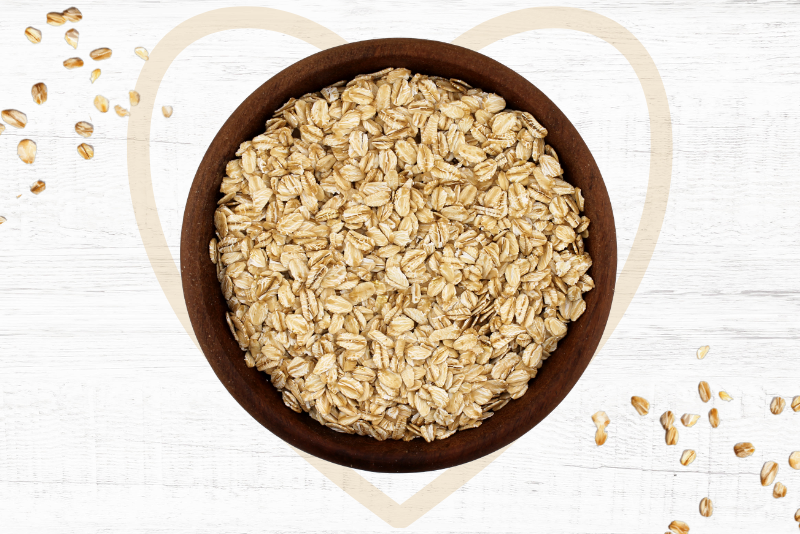
Porridge oats are whole oat grains that have been steamed and rolled or cut into smaller pieces to make them easier and quicker to cook. They are typically made from the oat plant (Avena sativa) and are commonly prepared by cooking them with water, milk, or plant-based alternatives either in the microwave or on the hob.
Depending on the processing method, oats are available in several forms:
– Rolled oats – flattened oats that cook relatively quickly.
– Jumbo oats – larger rolled oats with a chewier texture.
– Steel cut oats – chopped oat groats that take longer to cook.
– Instant oats – more finely processed oats designed for rapid preparation.
We talk about the different types of oats and their uses in more detail over in another blog if you’re interested in finding out more.
The health benefits of porridge oats
1. Rich in fibre
One of the biggest reasons oats are considered healthy is for their high fibre content. According to research, eating plenty of fibre is linked with a wide range of health benefits, including lower risk of type 2 diabetes, cardiovascular disease as well as contributing to overall gut health.
Oats contain a type of soluble fibre called beta-glucan, which forms a gel-like substance in the digestive system. This can help slow digestion, promote feelings of fullness, and support healthy digestion.
A 40g serving of oats provides around 3g of fibre, or 7.5g per 100g, which meets the requirements for a ‘high fibre’ food (at least 6g per 100g).
2. May support heart health
Beta-glucan has been extensively studied for its potential role in supporting healthy cholesterol levels.
When consumed regularly as part of a healthy lifestyle, oats may help reduce levels of LDL (“bad”) cholesterol by limiting the amount absorbed into the bloodstream. Lower cholesterol levels are associated with improved cardiovascular health. In fact, an interesting study conducted by University of Bonn revealed participants who consumed just oats for two days significantly lowered their cholesterol levels and the effects of this two-day oat diet lasted for six weeks.
This is one reason why many health organisations recommend oats as part of a heart healthy diet.
3. Provides long-lasting energy
Unlike sugary breakfast foods that can lead to energy spikes and crashes, porridge oats provide complex carbohydrates that are digested more slowly.
This gradual release of energy can help you feel satisfied for longer and may improve concentration and productivity throughout the morning.
For those who are active, oats can also serve as an excellent pre-exercise meal.
4. Helps you feel fuller for longer
The combination of fibre, complex carbohydrates, and protein makes porridge particularly filling.
Many people find that a bowl of porridge keeps hunger at bay for several hours, reducing the temptation to snack between meals.
This can be especially beneficial for those looking to manage their calorie intake or maintain a healthy weight.
5. Supports healthy blood sugar levels
Because oats digest relatively slowly, they can help avoid the rapid blood sugar fluctuations often associated with refined breakfast foods.
The soluble fibre in oats may help moderate the body’s response to carbohydrates, making porridge a smart breakfast option for many people when enjoyed as part of a balanced diet.
However, it is worth noting that highly processed oats like instant or quick oats are digested much faster and can cause a sharper, higher blood sugar spike, so it’s best to opt for minimally processed oats such as steel cut which take longer to digest, resulting in a gentler, more stable rise.
6. Contains important vitamins and minerals
Porridge oats provide several nutrients that support everyday health, including:
– Iron – contributes to normal oxygen transport in the body.
– Magnesium – supports muscle and nerve function.
– Zinc – helps support the immune system.
– B vitamins – assist with energy metabolism.
These nutrients work together to support numerous bodily functions and overall wellbeing.
What’s the healthiest way to eat porridge oats?
Oats themselves have often been demonised, but the issue is usually what’s been added to them. Porridge products with added sugars, syrups, flavouring and additives are not as healthy as they appear.
The healthiest approach to a bowl of porridge oats usually starts with plain oats and then adding nutritious toppings.
A balanced bowl of porridge might look like:
– Plain jumbo rolled oats or steel cut oats
– Water, semi-skimmed milk, or a fortified plant-based alternative
– Fresh fruit
– A handful of nuts or seeds, ideal for providing texture and protein.
– A sprinkle of cinnamon, adding a sweet flavour without any sugar
This combination adds extra fibre, protein, healthy fats, vitamins, and minerals without loading up on added sugars. It can also help keep your blood sugar levels steadier, leave you feeling fuller for longer, and turn your bowl into a more satisfying, nourishing choice.