Oat drinks have become hugely popular in recent years, but with that rise has come plenty of myths and misunderstandings. They’re often criticised in the media for being “processed,” but that label isn’t always as straightforward as it sounds – and the truth is, not all oat drinks are created equal.
Myth 1: “Oat drinks are ultra-processed and unhealthy”
This is probably the biggest misconception we hear.
Yes, oat drinks are processed but processing isn’t automatically a bad thing! At Glebe Farm, our process is pretty simple.
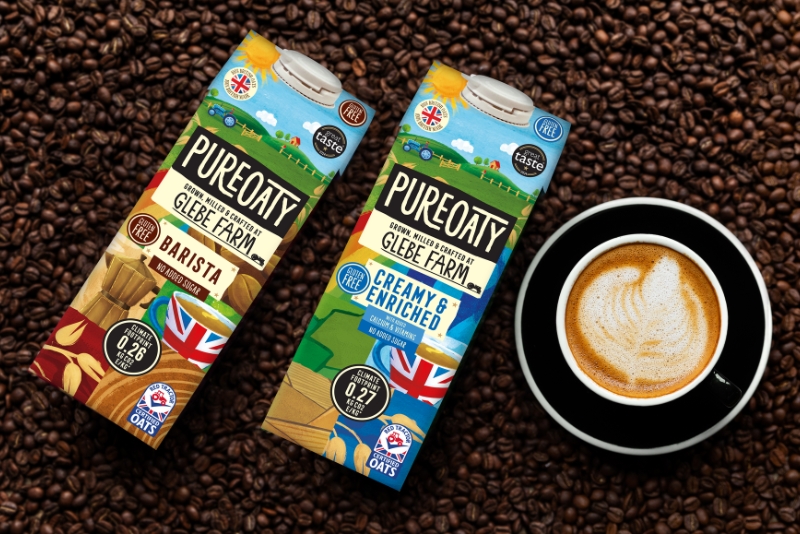
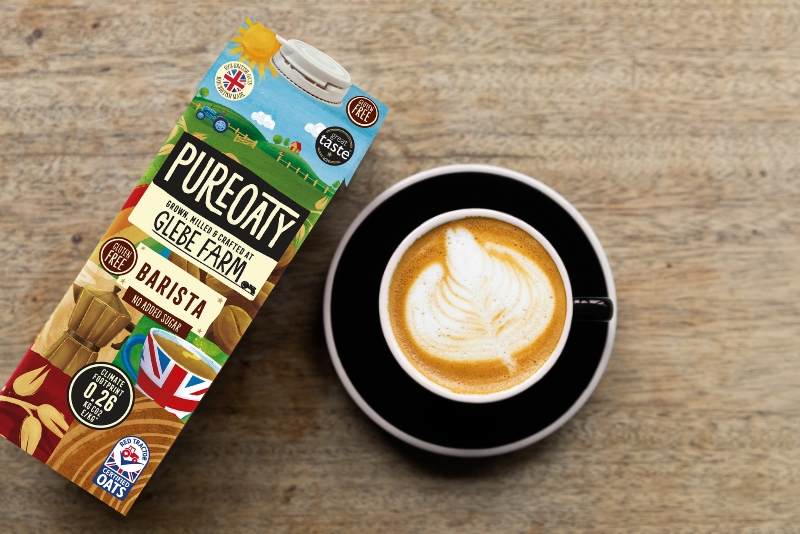
Our gluten free oats are harvested and milled on our family farm in Cambridgeshire, then cooked into porridge with plain water, then strained and pasteurised to make them safe to drink. A little sunflower oil is added for creaminess and a pinch of salt for balance. That’s it!
In fact, most PureOaty drinks contain just four ingredients:
– Water
– Gluten free oats
– Sunflower oil
– Salt
No artificial sweeteners.
No preservatives.
No colours or flavours.
One major issue with the trend of calling out processed foods is that healthy plant drinks and meat alternatives are put in the ‘ultra-processed’ category alongside unhealthy fizzy drinks, shop bought cakes, sweets and highly processed ready meals. This is why the Scientific Advisory Committee on Nutrition – the UK government’s nutrition experts – raised concerns about using the ultra-processed classification and said it was: “unclear whether these foods are inherently unhealthy due to processing or because a large majority of them are high in energy (calories), saturated fat, salt and/or free sugars”.
Instead, UK dietary advice still encourages plant-based drinks as part of a healthy diet.
Myth 2: “Oat drinks cause blood sugar spikes”
Oat drinks have a medium glycaemic index (GI), which means they release carbohydrates at a steady pace rather than all at once.The GI is simply a measure of how fast you would expect the carbohydrates in a standard serving of food to reach the blood.
As a medium GI drink, oat milk would not be expected to produce blood glucose spikes or put anyone at risk of developing type 2 diabetes. In fact, large studies show that plant-based diets are associated with a lower risk of developing type 2 diabetes, not a higher one.
Myth 3: “Oat drinks are too high in sugar”
Our PureOaty drinks contain no added sugar.
Any sugar present comes naturally from the oats and is similar to the sugar found in dairy milk (around 4g per 100ml). Our Tea-rrific oat drink is even officially classed as low in sugars.
If you’re avoiding added sugars, oat drinks can still very much be on the menu.
Myth 4: “Seed oils in oat drinks are bad for you”
Sunflower oil sometimes gets a bad reputation online, but the science tells a different story.
Sunflower oil is rich in unsaturated fats, which are known to:
– Help lower cholesterol
– Support heart health
The British Heart Foundation has been clear that there’s no good evidence linking seed oils to inflammation or heart disease. Swapping saturated fats (like butter) for unsaturated fats is actually beneficial.
We use a small amount to keep our oat drinks smooth, creamy and stable. In our organic drink, we use high oleic sunflower oil which is rich in omega-9 unsaturated fats, often recommended for heart health.
Myth 5: “Oat drinks aren’t suitable for people with gluten intolerance”
Oats can be gluten free but only under certain farming practices. At Glebe Farm, all of our oat products are gluten free because the processing plant on our farm is reserved just for oats. That means people with gluten intolerance or Coeliac disease can feel reassured that our oat drinks and raw oats are safe.
That’s why we do things differently. We:
– Only grow and process our own gluten free oats
– Use a factory dedicated solely to oats
– Test every batch for <5ppm of gluten
Our oat drinks are certified gluten free by Coeliac UK, making them suitable for people with coeliac disease or gluten intolerance.
Not all oat drinks are equal. When made simply and transparently, they can be nutritious, low in saturated fat, suitable for many dietary needs and kind to the planet.
We believe good food starts with honest farming, simple ingredients and clear information. And if that comes in your morning cuppa, even better!